


Sports Massage
What is Sports Massage?
Sports massage is a specialised form of massage therapy that focuses on the body’s soft tissues, including muscles, tendons, ligaments and fascia. It aims to reduce muscle tension, improve movement and support recovery by helping the body function more effectively. Although commonly associated with athletes, sports massage is beneficial for anyone experiencing muscle tightness, discomfort, reduced mobility or the effects of repetitive daily activities.
For athletes, sports massage can support performance by helping maintain healthy movement patterns, improving recovery after training and reducing the risk of injuries caused by repeated strain or overloading. Whether you are a triathlete experiencing tight calves and hamstrings, a runner managing training demands, or a tennis player dealing with conditions such as tennis or golfer’s elbow, treatment can be tailored to your individual needs.
However, you do not need to be an athlete to benefit from sports massage. Many everyday activities can place stress on the body, including prolonged sitting, repetitive movements, physically demanding work and previous injuries. Sports massage can help address areas of tension, restriction and altered movement patterns that develop through daily life.
For example, someone who spends several hours working at a desk may develop rounded shoulders, tight chest muscles and reduced upper back mobility. Sports massage can help improve these areas by addressing muscle tension and supporting better movement.
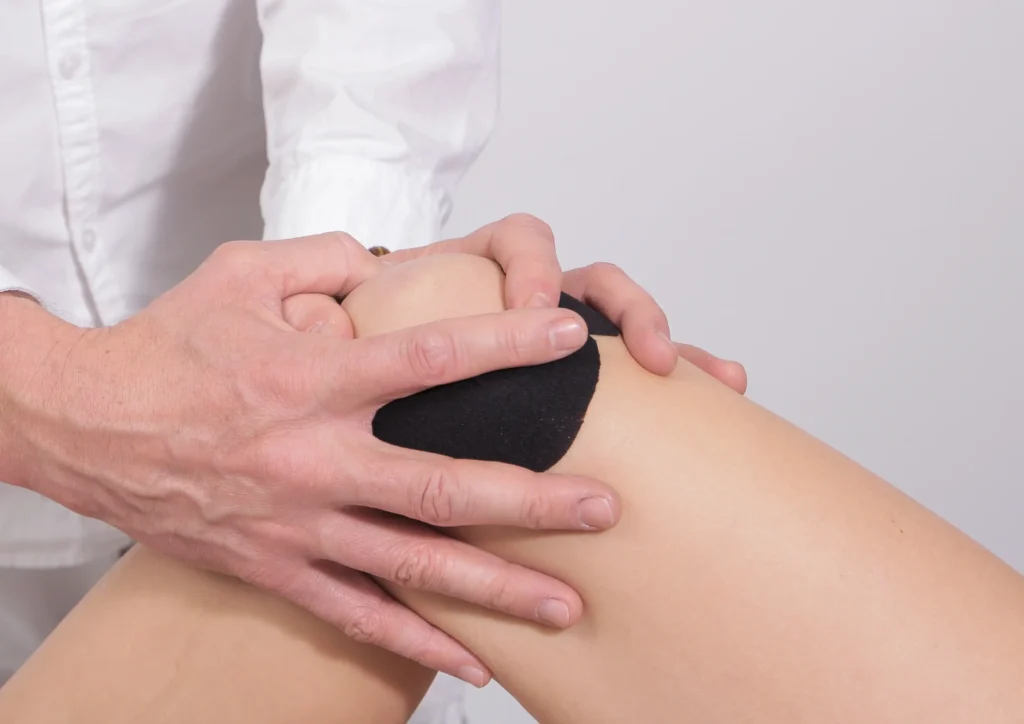
What Causes Soft Tissue Injuries and Restrictions?
Soft tissue problems can develop for many different reasons and are generally divided into acute injuries and overuse-related problems.
Acute Injuries
Acute injuries occur suddenly, often as a result of a specific event. Examples include falling onto an outstretched arm, twisting an ankle while running, or colliding with another player during sport.
These injuries may result in muscle strains, ligament sprains, bruising or tendon irritation. Acute injuries can also occur when the body is not adequately prepared for physical activity. A suitable warm-up helps prepare muscles, joints and connective tissues for the demands being placed upon them, particularly during high-intensity exercise.
Overuse Injuries
Overuse injuries develop gradually when repetitive stress is placed on the body without enough time for recovery. Small amounts of tissue stress can accumulate over time, leading to discomfort, reduced movement and changes in how the body functions.
Examples include tennis elbow, golfer’s elbow and shin splints.
Lifestyle-Related Muscle Tension and Movement Restrictions Many soft tissue problems develop from everyday activities rather than sport.
Modern lifestyles often involve prolonged periods of sitting, driving or computer use, which can contribute to changes in posture, muscle imbalance and reduced mobility. Repetitive tasks can also contribute, particularly in occupations involving repeated movements, such as construction work, hairdressing or office-based roles. Over time, this may lead to areas of muscle
tightness, fatigue and discomfort.
Physical inactivity can also affect the body. Muscles require regular movement to maintain strength, flexibility and healthy circulation. Reduced activity levels can contribute to stiffness, weakness and reduced overall movement.
Previous injuries may also continue to affect movement after the initial injury has healed. Changes in how someone moves during recovery can sometimes remain, creating additional strain on other areas of the body.
Sports massage can help address these issues by improving soft tissue mobility, reducing areas of
tension and supporting healthier movement patterns.
What Can Sports Massage Help With?
Sports massage can benefit anyone who wants to improve how their body feels and functions, from competitive athletes to people managing everyday aches and restrictions.
Some potential benefits include:
Improved Circulation
Massage techniques can encourage blood flow to muscles and surrounding tissues, supporting the delivery of oxygen and nutrients while assisting normal recovery processes.
Reduced Muscle Tension
Targeted soft tissue techniques can help reduce areas of tightness and discomfort, helping muscles relax and move more freely.
Improved Flexibility and Range of Motion
By addressing restrictions within muscles and connective tissues, sports massage may help improve
mobility and support better movement.
Supporting Recovery
Sports massage can help reduce post-exercise soreness, improve relaxation and support a return to
activity following demanding training or physical work.
Injury Prevention
Regular treatment can help identify areas of increased tension or reduced mobility, allowing these factors to be addressed before they contribute to further problems.
Pain and Discomfort Management
Sports massage can help manage common muscular aches, stiffness and discomfort associated with activity, posture and previous injuries.
Stress Reduction and Relaxation
Massage has benefits beyond physical recovery and can promote relaxation, reduce stress and improve overall wellbeing.
Preparation Before Events
Some athletes choose sports massage before competitions or events to help them feel physically prepared and confident in their movement.
Recovery After Events
Post-event treatment can help promote relaxation, reduce feelings of muscle fatigue and support recovery following intense activity.
Improved Sleep and Wellbeing
Many people report improved relaxation and sleep quality following massage treatment, supporting overall health and recovery.
What Happens During a Sports Massage Appointment?
Your appointment begins with a conversation about your goals, lifestyle, activity levels and any areas of concern. Understanding what you want to achieve allows treatment to be tailored specifically to you.
Your practitioner may assess your movement and discuss any factors that could be contributing to your symptoms, before creating an appropriate treatment approach.
Treatment may involve a combination of massage techniques, soft tissue work, stretching and mobility techniques. The pressure and techniques used will always be adapted to your individual needs, ensuring treatment is effective while remaining comfortable.
Whether your goal is improving sporting performance, recovering from injury, reducing discomfort or simply moving more freely, every session is designed around you.
Your Treatment Journey
Our practitioners are committed to taking the time to listen to you and understand what you want to achieve from treatment. Together, we can create a treatment plan with a clear goal in mind. This could be something specific, such as:
“I cannot lift my arm above my head,”
or a broader goal such as:
“I want to move better and feel more comfortable during everyday activities.”